Concept 2 of 11
Automation For Plant Watering
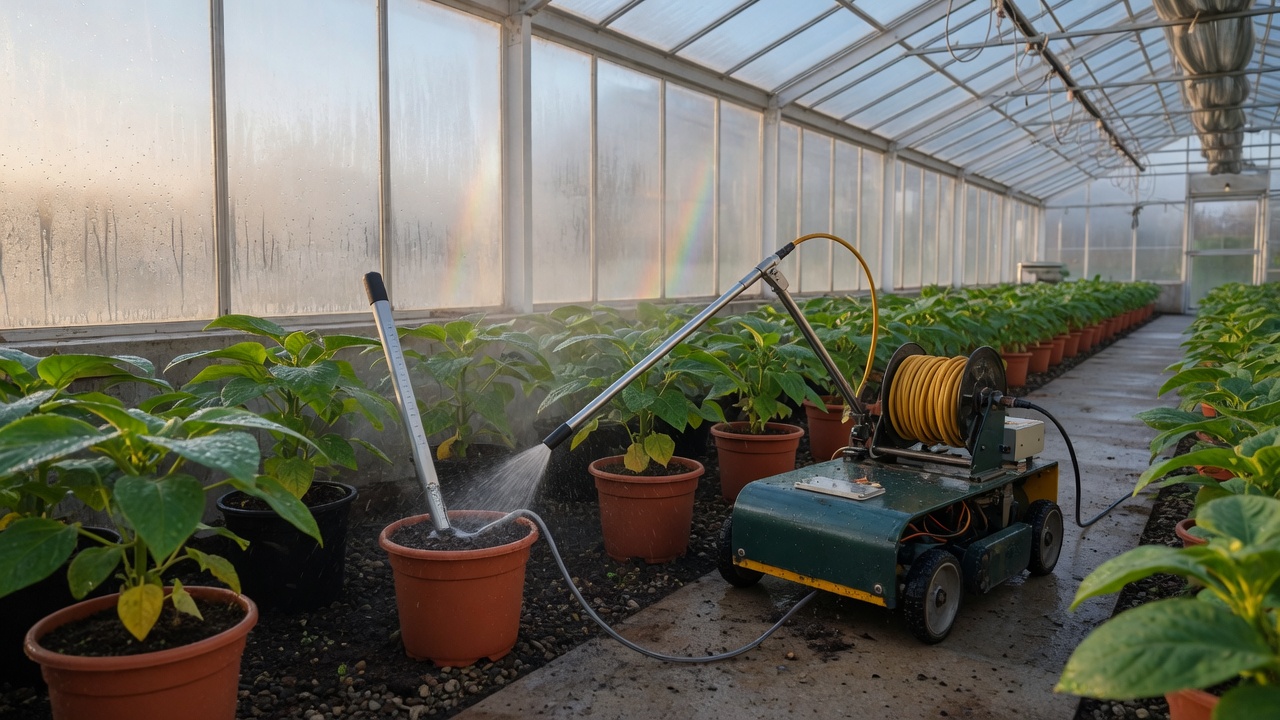
The use of robots in agriculture is becoming increasingly popular due to the numerous benefits they offer. One major advantage is increased efficiency and productivity. Robots can work around the clock, tirelessly and consistently performing tasks such as planting, watering, and harvesting crops. This reduces the need for human labor, which can be expensive and difficult to manage, especially during peak seasons. Additionally, robots can perform these tasks with greater precision, reducing the risk of crop damage and improving overall yield.
Another benefit of robots in agriculture is the potential for greater sustainability. Agricultural robots can help reduce waste by accurately targeting the use of water, fertilizers, and pesticides, reducing the amount needed and preventing overuse. This not only helps preserve natural resources but can also lead to lower costs and better quality crops. Additionally, robots can help reduce the environmental impact of agriculture by reducing the need for heavy machinery that can damage soil and contribute to soil erosion. Overall, the use of robots in agriculture offers a wide range of benefits that can help improve efficiency, productivity, and sustainability in this vital industry.
Get a general idea of the robot
Research existing solutions and brainstorm potential ideas for the robot. Look at existing watering systems and robots, talk to experts in plant care, and think creatively about potential solutions. The feature in the photo is a wand aimed at one pot and a probe in the soil, so the robot waters the plant that needs it.
Concept development
Based on the research and ideation, develop several design concepts for the robot. Sketch out ideas and create rough prototypes to test and refine the concepts.
Design development
Choose a design concept to pursue and refine it further. Create detailed designs for each component of the robot, including the watering mechanism, navigation system, and control systems. Consider factors like cost, durability, and ease of maintenance in the design.
Prototype and testing
Build a prototype of the robot and test it in a variety of environments and with different types of plants. Collect data on its performance and identify areas for improvement.
Refinement of the robot design
Based on the testing data, refine the design and build a new prototype. Continue this cycle of testing and refinement until the robot meets all of the requirements and performs effectively and reliably.
Manufacturing and deployment
Once the design is finalized, manufacture the robot at scale and deploy it in the target environment. Provide training and support to users as needed.
Maintenance and iteration
Monitor the performance of the robot over time and make adjustments as needed. Collect feedback from users and identify areas for improvement or additional features that could be added. Iteratively improve the robot to meet the changing needs of the users and environment.
The benefits of a plant-watering robot
Designing a robot to water plants is an exciting challenge that can offer a range of benefits. For starters, such a robot can help automate the process of plant watering, making it easier for individuals or businesses to care for plants on a large scale. This not only saves time and effort, but can also help improve the health and growth of plants by ensuring they receive the right amount of water at the right time. Furthermore, designing a robot to water plants can be a great opportunity to explore and learn about robotics and engineering, which are valuable skills in today's rapidly-evolving technology landscape.
There are also many creative possibilities when it comes to designing a robot that waters plants. With a range of sensors, motors, and other components at your disposal, you can experiment with different approaches to plant watering and explore new ways of delivering water efficiently and accurately. Additionally, designing a robot that waters plants can be a great way to contribute to sustainability efforts by reducing water waste and promoting more eco-friendly practices.
Overall, designing a robot that waters plants can be a rewarding and fulfilling experience. Not only does it offer practical benefits, but it also provides an opportunity to explore your creativity and problem-solving skills in a unique and engaging way. So if you're interested in robotics, engineering, or plant care, consider taking on the challenge of designing a robot to water plants.